
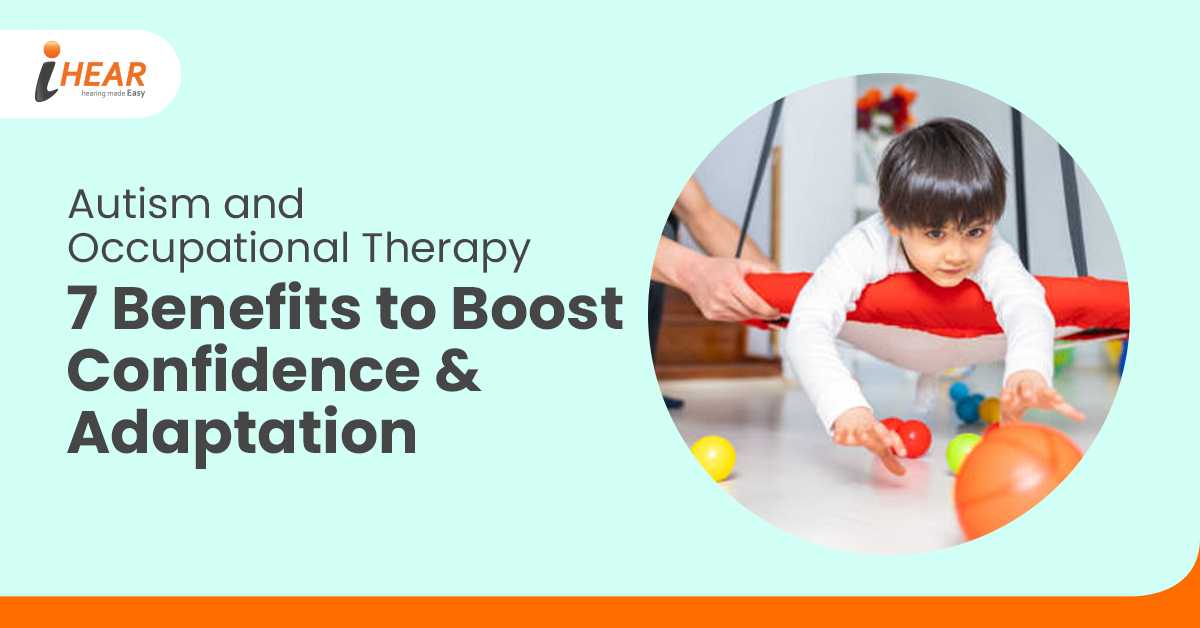
Autism and Occupational Therapy: 7 Benefits to Boost Confidence and Adaptation
Autism Spectrum Disorder (ASD) presents unique challenges that can affect communication, behavior, and daily functioning. Occupational therapy (OT) is one of the most effective intervention approaches, helping individuals with autism build confidence, improve adaptability, and enhance overall quality of life.
Below are 7 key benefits of occupational therapy for autism and how it supports long-term development.
1. Sensory Integration: Managing Sensory Challenges
Many individuals with autism experience sensory processing difficulties, making everyday environments overwhelming.
Occupational therapists use sensory integration techniques to:
- Help individuals process sensory input effectively
- Reduce sensory overload or sensory-seeking behaviors
- Build self-regulation skills
Through controlled sensory activities, individuals gain confidence in handling different environments and stimuli.
2. Fine Motor Skill Development
Fine motor skills are essential for daily tasks such as writing, dressing, and eating.
OT helps by:
- Improving hand-eye coordination
- Enhancing finger strength and control
- Developing object manipulation skills
As these skills improve, individuals become more independent and confident in daily activities.
3. Gross Motor Skill Enhancement
Gross motor skills involve large body movements like walking, running, and balancing.
Occupational therapy supports:
- Strength and coordination
- Balance and posture
- Participation in physical and social activities
Improved physical ability encourages engagement and boosts self-confidence.
4. Social Skills Training
Social interaction can be challenging for individuals with autism.
OT uses structured methods such as:
- Role-playing and social stories
- Teaching nonverbal communication
- Practicing conversation and interaction skills
These strategies help individuals build meaningful relationships and feel more confident in social settings.
5. Self-Care Skills Development
Daily living activities like dressing, grooming, and toileting are crucial for independence.
Occupational therapists:
- Break tasks into simple, manageable steps
- Use visual aids and adaptive tools
- Provide consistent practice and support
Mastering self-care skills increases independence, confidence, and autonomy.
6. Environmental Modifications
The surrounding environment plays a major role in behavior and comfort.
OT helps by:
- Creating sensory-friendly spaces
- Using visual schedules and structured routines
- Improving organization and accessibility
A supportive environment reduces stress and enhances adaptability.
7. Transition Planning for the Future
Transitioning into adulthood requires preparation and guidance.
Occupational therapy supports:
- Job readiness and vocational skills
- Independent living skills
- Self-advocacy and decision-making
With proper planning, individuals gain the confidence to navigate life transitions successfully.
Occupational therapy is a powerful tool in supporting individuals with autism. By focusing on practical life skills, sensory processing, and emotional development, OT helps individuals become more independent, confident, and adaptable.
With early intervention and personalized care, individuals with autism can achieve meaningful progress and lead fulfilling lives at home, school, and in the community.